Trusted and leading provider of sustainable waste management solutions from 20 years. (786) 655-7070

As a restaurant owner in South Florida, are you confident that you’re disposing of your grease in compliance with local regulations? Don’t let improper grease disposal lead to costly fines or environmental damage.
Grease disposal is a big deal in South Florida. Local businesses must follow strict rules to protect the environment and sewer systems.
The Florida Department of Environmental Protection has new grease waste removal and disposal laws.
These laws affect food businesses and grease haulers. They set rules for disposing of grease from traps and interceptors.
Proper grease disposal keeps pipes clear, stops sewer backups, and helps the environment.
Miami-Dade County has a guide for grease control devices. This guide helps business owners and builders follow the rules and explains what food places need to do to handle fats, oils, and grease properly.
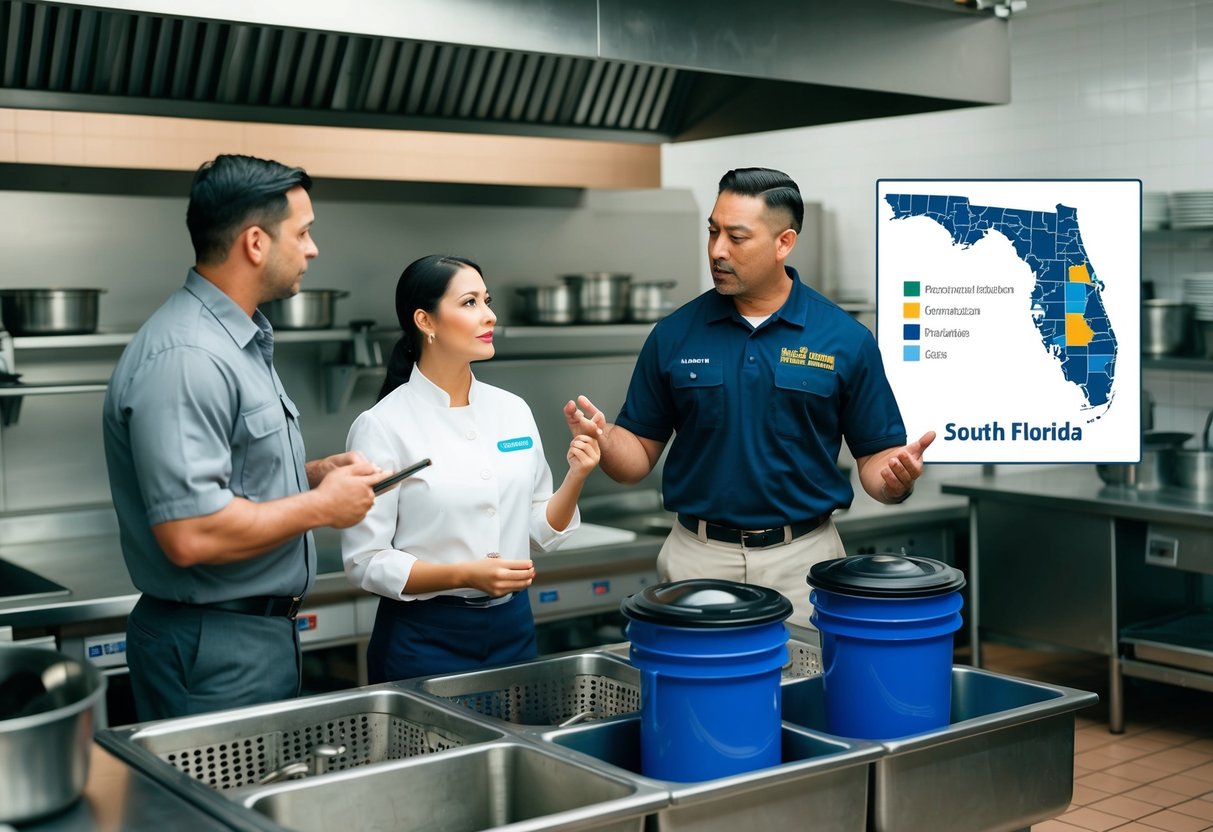
South Florida has strict rules for getting rid of grease waste. Businesses must follow these rules or face fines. The laws aim to protect sewers and the environment.
Grease waste haulers in South Florida must take grease to approved disposal sites. They can’t put grease back into grease traps or dump it elsewhere.
Restaurants and food businesses need grease traps or interceptors, which catch fats, oils, and grease before they enter sewer lines.
Businesses must clean their grease traps regularly. The frequency depends on how much grease they produce. Most need cleaning every 1-3 months. They must keep records of all grease trap cleanings and disposals.
Florida Senate Bill 1110, passed in 2022, created new grease waste laws. It requires proper disposal and documentation of grease waste removal. The Florida Department of Environmental Protection oversees these rules.
Local counties and cities may have extra rules. For example, Miami-Dade County has its fats, oils, and grease (FOG) program. It requires food service businesses to have grease control devices and mandates regular maintenance and inspections.
Breaking grease disposal rules can result in serious penalties. Fines can range from hundreds to thousands of dollars, and repeat offenders may face higher fines or legal action.
Health departments can shut down businesses that don’t follow the rules. This can result in lost income and damage to reputation. Businesses may also have to pay for sewer line repairs if their grease causes clogs.
Environmental damage from improper grease disposal can lead to additional fines and cleanup costs.
Some businesses try to save money by cleaning traps themselves. This often leads to violations. Others may hire unlicensed haulers who dump grease illegally. Using fake disposal receipts is another common offense.
Restaurants sometimes ignore grease buildup until it causes problems. By then, the fix is usually more expensive and may involve fines.
Are you navigating grease disposal regulations? GreasePros Recycling offers detailed guidance and professional support to keep your operations in line with South Florida laws. Learn how our expertise can save you from costly penalties. Get expert guidance now!
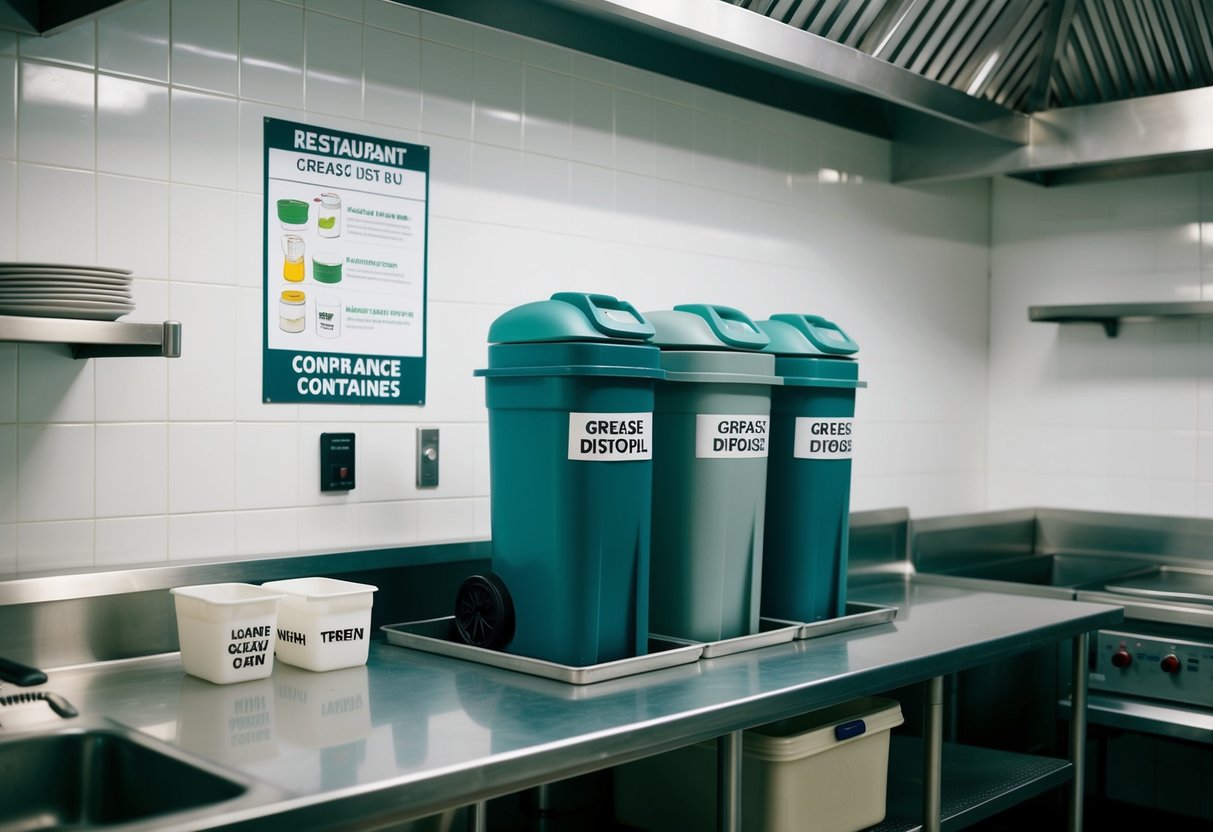
Proper grease disposal is crucial for restaurants in South Florida. Following these practices helps prevent sewer issues and ensures compliance with local regulations. Implementing a comprehensive grease management plan protects both the environment and the business.
Grease traps need regular maintenance to work well. Clean them often to stop backups and bad smells. Use a professional cleaning service for thorough cleaning.
Remove solid waste from traps weekly. This helps them work better. Check traps monthly for damage. Fix any problems right away.
Keep the area around grease traps clean. This will prevent pests and make inspections easier. Use enzyme treatments to break down grease faster.
If you’re ready to get started, call us now!
Set up a regular schedule for pumping grease traps. How often it happens depends on trap size and grease output. Most restaurants need pumping every 1-3 months.
Keep a log of all pumping dates. This proves compliance during inspections. Work with a licensed grease hauler for proper disposal.
Don’t wait until the traps are full to pump them. This can lead to backups. Create reminders for upcoming pump dates.
Good records are key to compliance. Keep all grease disposal records for at least one year, including manifests from grease haulers.
Use a digital system to track cleanings and inspections. This makes finding info easy. Take photos of clean traps after service.
Store records in a safe, easily accessible place. Train staff on where to find and update records. Review records monthly to spot missed services.
Store used cooking oil in secure containers. Keep them away from storm drains and food prep areas. Use spill kits near storage areas.
Train staff on safe oil handling. This prevents spills and injuries. Let the oil cool before moving it to storage containers.
Don’t mix used oil with other waste. This makes recycling harder. Check oil levels in fryers daily to prevent overflow.
Use only approved containers for grease storage. These should be leak-proof and clearly labeled. Keep lids closed to prevent spills and odors.
Place containers in a covered area away from heat sources. This stops rain from getting in. Make sure the storage area has good lighting.
Use secondary containment for extra safety. This catches any leaks. Keep the storage area locked to prevent tampering.
Label all grease containers clearly. Include the type of grease and the date filled. Use weather-resistant labels that won’t fade or peel off.
Keep a log of when containers are filled and emptied. Note the amount of grease in each container. Record any spills or issues right away.
Use a color-coding system for different types of grease. This prevents mixing—train staff on how to read and update labels.
Train all staff on grease management practices. Cover proper disposal methods and spill cleanup. Repeat training yearly and for new hires.
Post easy-to-read guides near grease disposal areas. These remind staff of correct procedures. Use visuals to make instructions clear.
Test staff knowledge regularly. This ensures they remember training. Reward employees who follow grease disposal rules well.
If you face an urgent grease disposal issue, GreasePros Recycling is ready to assist. With fast and compliant emergency services, we ensure your business continues without interruptions. Protect your operation with our expert emergency retrieval services. Request immediate assistance!
If you’re ready to get started, call us now!
Grease recycling services play a crucial part in managing restaurant waste. They help businesses comply with regulations, protect the environment, and save money. These services offer expertise and solutions for proper grease disposal.
Professional grease trap cleaning services ensure restaurants in South Florida follow local rules. They know the latest Florida grease waste regulations inside and out. These experts can:
Partnering with these services takes the guesswork out of grease management. Restaurant owners can focus on their food and customers instead of worrying about waste disposal rules.
Grease recycling services use eco-friendly methods to handle waste. They don’t just dump grease in landfills. Instead, they:
These practices help protect Florida’s natural resources. Proper disposal prevents sewer line clogs and protects local waterways from pollution.
Using grease recycling services can save restaurants money in several ways:
Some companies even offer free grease trap cleaning in exchange for used cooking oil. This can significantly cut restaurant waste management expenses.
These services also help cities save on infrastructure costs by preventing sewer backups and environmental damage. In the long run, these savings can lead to lower business taxes and fees.
Grease disposal in South Florida requires careful attention to regulations and best practices. Restaurants and food service businesses must follow specific rules to protect the environment and sewer systems.
Proper grease management is key for kitchen cleanliness and legal compliance. It helps avoid fines and keeps operations running smoothly.
Florida law now requires grease waste haulers to document removal and disposal. This ensures accountability and proper handling of fats, oils, and grease (FOG).
Local governments like Miami-Dade County guide FOG control devices. These resources help businesses choose the right equipment for their needs.
It is crucial to stay informed about current regulations. The Florida Department of Environmental Protection offers updates on grease waste rulemaking.
Stay ahead of local grease disposal regulations with GreasePros Recycling. Our expert services ensure your business remains compliant, avoiding fines and protecting the environment. Don’t risk non-compliance; let us handle your grease disposal needs. Ensure your compliance today!
What are the specific requirements for grease traps in Broward County?
Broward County requires food service establishments to install and maintain grease traps. These traps must be cleaned regularly, typically every 90 days, and businesses must keep cleaning records for at least three years.
Grease trap size depends on the establishment’s seating capacity and kitchen equipment. Larger restaurants may need bigger traps or multiple units.
How does the Florida Administrative Code regulate the use of grease interceptors?
The Florida Administrative Code outlines rules for grease interceptors in Chapter 62-740. This chapter sets standards for the grease interceptors’ design, installation, and maintenance.
Interceptors must be sized correctly to handle the expected grease output. They need regular cleaning and inspection to ensure proper function.
What are the obligations for businesses under Florida’s grease trap codes?
Florida businesses must install appropriate grease traps or interceptors. They need to maintain these systems regularly and keep detailed maintenance records.
Establishments must train staff on proper grease disposal methods. They should avoid pouring fats, oils, and grease down drains.
Who is responsible for regulating and enforcing grease trap installation in Florida?
The Florida Department of Environmental Protection oversees statewide grease trap regulations. Local health departments and water management districts often handle enforcement.
City and county governments may have additional rules. They can inspect establishments and issue fines for non-compliance.
At what point is a commercial establishment required to install a grease trap according to Florida law?
Florida law requires grease traps for food service establishments that produce significant amounts of fats, oils, or grease. This typically includes restaurants, cafeterias, and food processing facilities.
New businesses must install traps before opening, and existing establishments may need to add or upgrade traps to meet current standards.
How does statute 403.0741 in Florida impact grease disposal best practices?
Statute 403.0741 requires grease waste haulers to dispose of waste at approved facilities and document the removal and disposal of grease waste.
This law promotes proper grease management, helps prevent illegal dumping, and protects Florida’s water systems from contamination.
Founded with a vision to revolutionize the used cooking oil recycling industry, GreasePros Recycling has established itself as a trusted and leading provider of sustainable waste management solutions. With over 20 years of experience, our dedicated team brings extensive expertise and a commitment to environmental stewardship.
Quick Links
Contact Information
Get in Touch with GreasePros