Trusted and leading provider of sustainable waste management solutions from 20 years. (786) 655-7070
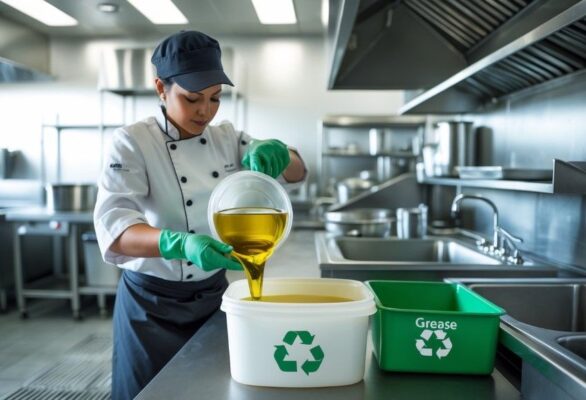
Proper grease recycling is essential for every Florida kitchen that wants to stay open and avoid costly fines.
A well-planned grease recycling program helps meet state regulations, keeps plumbing free of clogs, and supports a clean kitchen environment.
Any restaurant or food business can meet legal requirements and sidestep common headaches by following a few straightforward steps.
Staying compliant isn’t just about ticking boxes—it’s about maintaining your business’s reputation and doing your part for the local environment.
Florida businesses need to document grease waste removal, use the right containers, and work with dependable haulers to meet the state’s guidelines on grease disposal.
These steps help prevent blockages and can even cut maintenance costs over time.
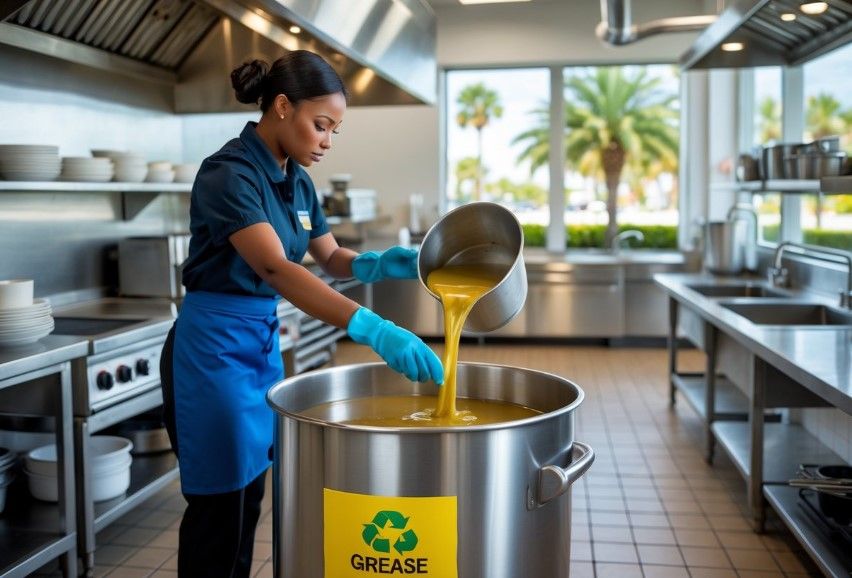
Proper grease recycling in Florida kitchens prevents environmental damage and helps businesses stay within the law.
It also protects kitchens from expensive mistakes that can lead to fines or repairs nobody wants to deal with.
Dumping cooking grease down the drain blocks pipes and causes sewage overflows.
These overflows can reach rivers, lakes, or beaches, wrecking water quality and hurting aquatic life.
Fish, birds, and other wildlife pay the price when waterways get contaminated.
Fats, oils, and grease harden inside pipes and cause bigger blockages in city sewers.
Major blockages mean sewer backups in homes, restaurants, and even on the streets—nobody wants that mess.
Grease entering natural water sources can also mess with local drinking water.
Effective grease recycling helps limit these risks and keeps the community safer.
Proper grease management protects Florida’s environment and keeps things healthier for everyone.
If a kitchen ignores Florida’s grease disposal rules, it can face hefty fines from health departments or city agencies for illegal dumping or sloppy grease management.
Restaurants might also pay for emergency cleanup if pipes or sewer lines clog.
Insurance usually won’t cover damages from ignoring grease disposal laws, which is a headache nobody wants.
Sometimes, a business could lose its license or shut down to fix fire safety or plumbing violations.
Blocked pipes also raise the risk of kitchen fires and expensive property damage.
Staying compliant with grease recycling laws makes sense if you want to avoid these costs.
Grease Pros Recycling offers free containers and scheduled used cooking oil pickup across Florida. Don’t wait for fines—start your recycling program today and stay fully compliant.
If you’re ready to get started, call us now!
To stay compliant, restaurants in Florida must follow specific rules for managing fats, oils, and grease (FOG).
Inspections, documentation, and health codes all play a part in this.
Florida law says all food establishments must control how they dispose of grease.
This means installing and regularly maintaining grease traps or interceptors so grease doesn’t get into the sewer system.
These devices prevent backups and environmental damage.
Businesses also need to arrange for proper grease removal by licensed haulers. These haulers must take grease waste to approved disposal sites and follow strict rules.
Under Florida Department of Environmental Protection guidelines, grease waste removal and maintenance records are mandatory.
Health codes treat grease waste as hazardous material if handled or stored improperly. Failure to follow FOG ordinances can result in citations, fines, or even shutdowns.
Keeping maintenance logs and service receipts is a must for compliance.
Health inspectors in Florida usually start by checking the condition and size of grease traps or interceptors.
The device must be sized and cleaned according to the cleanliness activity and local rules.
Inspectors review maintenance records and removal receipts to make sure cleaning happens regularly.
They also check that hazardous materials like grease aren’t thrown down the drain or disposed of incorrectly.
Waste containers have to be labeled, secure, and leak-free.
If documentation is missing or equipment doesn’t meet code, your kitchen can lose points during inspection.
Restaurants must use approved waste haulers and document every pickup.
Regular inspections enforce environmental and health codes, so meeting every requirement is crucial if you want to pass.
Avoid clogs, odors, and costly violations. Grease Pros Recycling provides emergency oil retrieval services tailored for commercial kitchens across South Florida. Click here to book your cleanup on demand.
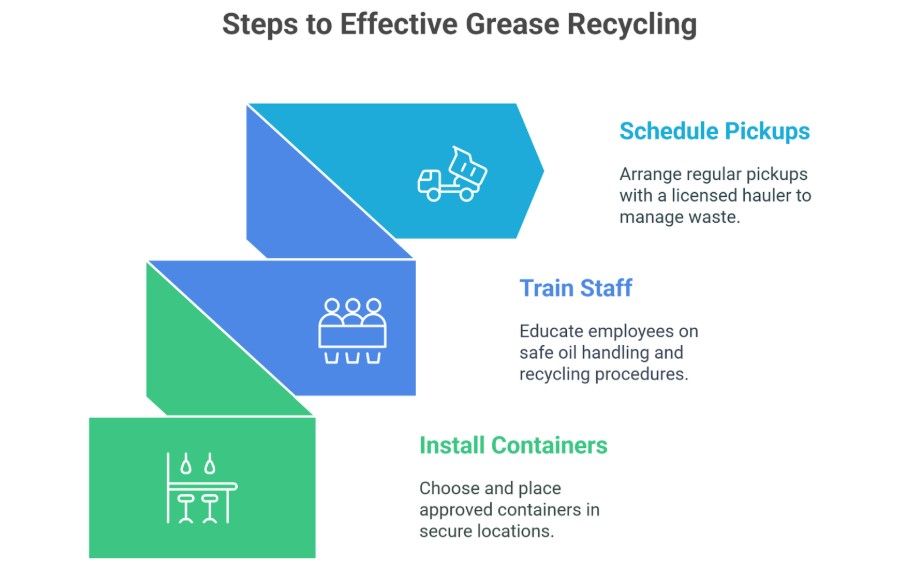
Food service establishments need a clear, organized approach to grease recycling to comply with Florida regulations.
Good systems help protect the environment and make waste management in busy kitchens much easier and safer.
Picking the right containers is a big first step for any recycling plan.
Restaurants and food service businesses should choose grease dumpsters or leak-proof tanks approved for storing grease and used oil.
Place containers securely away from drains, trash bins, and heavy foot traffic.
Keep fats, oils, and grease (FOG) separated from other food items and waste. Don’t mix different oils or add water, which makes recycling harder and could break the rules.
Use containers with tight lids to prevent spills and keep pests out.
Clean and maintain storage containers regularly to reduce odors and lower contamination risk.
Label bins clearly so staff can avoid costly mistakes.
Following these habits makes things safer and protects the environment from nasty spills.
Staff training is key for keeping a grease recycling program compliant and efficient.
All kitchen workers should know how to safely collect, store, and transfer oil.
Create written guides or easy-to-read posters near storage areas to remind staff about recycling steps.
Stress that pouring grease or oil down the drain clogs pipes and leads to expensive repairs.
Staff should always let used oil cool before moving it into storage containers to prevent burns and spills.
Host short training sessions for new hires and regular refreshers for current employees.
Ensure staff know who to call if there’s a spill or a container needs service.
A team that follows these steps helps keep the kitchen safer and recycling on track.
Food service establishments have to ensure that used oil and grease are removed for recycling correctly.
Work with a licensed waste hauler who meets all Florida compliance standards.
Always check the hauler’s permits and ability to recycle oil responsibly.
Set up a regular pickup schedule to prevent containers from overflowing and reduce spill or pest risks.
Track each pickup with a service manifest or official document, as the Florida Department of Environmental Protection requires.
A clear schedule helps businesses avoid violations and fines. Reliable pickups mean less workplace interruption and better recycling results.
All of this supports a cleaner, safer kitchen for everyone involved.
Picking a reliable grease recycling company affects safety, compliance, and your kitchen.
The best providers help you handle cooking oil, adhere to state rules, and offer extra support when things go wrong.
Restaurants in Florida should go with a company that offers regular, dependable grease collection.
The provider must pick up used oil on a schedule that works for your restaurant. Flexible pickup times help prevent storage headaches and bad smells.
A good grease recycling company follows all local and state laws, which helps you avoid fines and stay compliant.
Top-rated services, like Grease Pros Recycling, also give you clear tracking and paperwork for every pickup.
Reliable providers often help staff learn safe storage methods and answer disposal questions.
Support can include step-by-step guides or quick phone consultations to review proper handling.
Fast answers and clear advice make life easier for busy kitchens.
Some grease recycling companies offer free collection containers or tanks for used cooking oil.
This equipment keeps work areas cleaner and reduces the risk of spills or accidents.
A real partner also gives you 24/7 customer service.
If there’s a spill, emergency, or equipment problem, help is always available.
Quick response can prevent downtime, food safety risks, or compliance issues.
Providers with round-the-clock support deal with the unpredictable nature of the food industry.
Having dependable support gives managers peace of mind and helps keep kitchens safe and clean.
If you’re ready to get started, call us now!

Starting a solid grease recycling program does more than check off state rules.
It supports local energy management, increases sustainability, and makes your kitchen look good to the public, too.
When Florida kitchens recycle grease, they ease the strain on waste systems. This simple step also helps prevent stubborn clogs in city sewers.
Restaurants often send used grease to be turned into biodiesel. Biodiesel burns cleaner than traditional fuels, which is a win for everyone.
Resource recovery keeps more waste out of landfills. If restaurants team up with recycling companies, they can help turn grease into useful products, like animal feed or even industrial lubricants.
Recycled oil powers the biodiesel industry, keeps local economies buzzing, creates jobs, and moves the region closer to cleaner energy goals.
When grease is recycled for energy, greenhouse gas emissions are reduced, meaning the air smells fresher around the community.
A visible, well-run grease recycling system shows that a business cares. Guests pick up on these cues and start to trust that a restaurant values health, safety, and the environment.
People notice sustainability efforts and proper grease management programs. These things can draw in environmentally conscious diners and turn a first-time visitor into a loyal fan.
Restaurants that share their recycling stories—whether on social media or in the dining room—build real credibility. Staff discussing these efforts helps reinforce the commitment to safe, responsible practices.
A grease recycling program keeps Florida kitchens in compliance with state laws. Following best practices can dodge fines and reduce annoying equipment problems.
Tracking oil use and disposal lets kitchens assess their performance and comply with local rules. Even a basic chart or log can help keep things on track.
Good grease management means a cleaner kitchen. It also keeps fats, oils, and grease out of pipes and water, which is better for the environment.
A well-run program saves money over time by reducing blockages and repairs. Kitchens that recycle their grease aren’t just helping themselves—they’re also doing their part for the community.
Staying organized and keeping up with Florida’s regulations will make it easier to handle any new requirements.
Stay compliant, sustainable, and stress-free. Partner with Grease Pros Recycling to build your custom grease management system, which includes pickup logs, inspections, and hood cleaning. Contact us now to schedule service.
What is grease recycling, and why is it important in Florida?
Grease recycling is the process of collecting and processing used cooking oil into renewable products like biodiesel. In Florida, it’s vital to prevent sewer blockages, comply with environmental laws, and support sustainability.
Does the law require grease recycling in Florida?
Yes. Many Florida counties require commercial kitchens to recycle used cooking oil through licensed haulers to comply with FOG (Fats, Oils, and Grease) ordinances and environmental protection rules.
How often should I schedule grease pickup in Florida?
Most Florida restaurants schedule grease pickups weekly or bi-weekly, depending on volume. Regular pickups prevent overflows, foul odors, and health code violations.
What types of containers are used for grease recycling?
Grease is stored in sealed containers like 55-gallon drums, 140-gallon tanks, or under-counter units. Companies like Grease Pros Recycling provide these containers free with service.
Can I pour used cooking oil down the drain in Florida?
No. Pouring oil down the drain violates Florida environmental laws, causes sewer clogs, and may result in costly fines and plumbing damage.
What happens to the recycled grease after collection?
Recycled grease is processed into biodiesel, animal feed additives, or industrial lubricants, reducing waste and supporting the circular economy.
How do I choose a licensed grease hauler in Florida?
Look for state-registered providers with emergency services, pickup logs, and proof of disposal. Grease Pros Recycling is a trusted hauler serving multiple Florida cities.
Founded with a vision to revolutionize the used cooking oil recycling industry, GreasePros Recycling has established itself as a trusted and leading provider of sustainable waste management solutions. With over 20 years of experience, our dedicated team brings extensive expertise and a commitment to environmental stewardship.
Quick Links
Contact Information
Get in Touch with GreasePros