Trusted and leading provider of sustainable waste management solutions from 20 years. (786) 655-7070
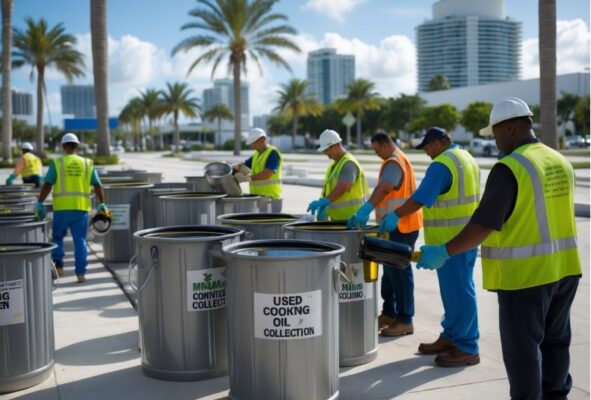
Restaurants and food businesses in Miami-Dade run into some tough problems when dealing with used cooking oil. Florida’s hot weather speeds up spoilage, and the county enforces strict rules on grease disposal.
The combination of high temperatures, frequent storms, and a dense urban environment makes Miami-Dade a hotspot for grease theft, spills, and compliance issues.
These issues can result in businesses facing thousands of dollars in fines and cleanup bills.
Locked containers offer security and help businesses meet Miami-Dade County’s storage requirements for used cooking oil. Many owners are unaware of just how prevalent grease theft is in South Florida.
Stolen oil often leads to environmental violations and lost revenue from recycling. It’s a bigger deal than most folks expect.
When businesses understand how container security aligns with county regulations and sustainability, they make more informed choices for their grease management systems.
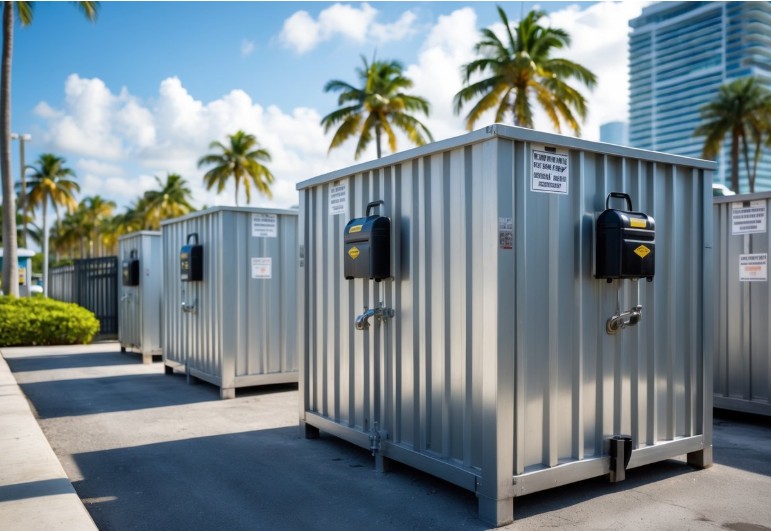
When businesses leave used cooking oil containers unsecured, they invite trouble. Theft, contamination, and spills can all cause significant damage, and the oil can end up in the sewer system.
Locked containers prevent most of these problems. They keep the oil safe and help with proper disposal.
Unlocked containers put businesses at risk for expensive headaches.
Theft tops the list. Licensed grease service providers require secure access to prevent unauthorized individuals from entering. Thieves love unlocked containers since used oil fetches $2-4 per gallon on the black market.
Contamination is another big issue. When containers stay open, people toss in trash or pour in water. That ruins the oil for recycling companies.
Once oil’s contaminated, recycling companies won’t touch it. Businesses lose out on rebates when this happens.
Spills are messy and dangerous. Unlocked containers tip over more easily. Oil spills make floors slippery and put workers and customers at risk.
Miami-Dade expects immediate spill cleanup. Professional crews charge $500-$2000 for even minor spills.
Improperly stored cooking oil can do real harm to Miami-Dade’s water systems.
Oil clogs sewers and causes backups. Just one gallon can contaminate up to a million gallons of water. If businesses pour oil down drains or leave containers open, rain can wash that oil into storm drains.
The county’s old sewer system simply cannot handle large grease loads. That leads to pricey repairs and service interruptions.
Contaminated waterways hurt marine life. Oil that ends up in Biscayne Bay forms a film on the water, blocking oxygen for fish and other sea life.
The county fines businesses up to $10,000 per violation for improper oil disposal. Repeat offenders might even face criminal charges.
Proper storage prevents these issues from occurring. Responsible storage systems use locked containers with spill protection.
Florida has the highest rates of cooking oil theft in the country. Miami-Dade alone reports over 200 cases annually.
Theft hits businesses in the wallet. Stolen oil means lost rebates from legit recyclers. Most places offer $0.50-$ 1.50 per gallon back.
If a busy restaurant loses 100 gallons a month to theft, that’s $600-1800 gone every year.
Black-market sales undercut honest businesses. Thieves sell stolen oil to unlicensed collectors who ignore safety rules. This creates unfair competition and undermines the system.
Insurance premiums go up for everyone. High theft rates mean higher commercial insurance costs—even if your business never gets hit.
Law enforcement has a tough time prosecuting. Once oil leaves the property, it’s hard to prove ownership. Most cases end up as misdemeanors with little consequence.
Industry statistics indicate that locked containers reduce theft by 85%. Spending a bit more on security saves thousands in the long run.
Protect your kitchen and stay compliant with Miami-Dade FOG rules. Grease Pros Recycling offers secure, locked container solutions for used cooking oil. Contact us today to schedule your first pickup.
If you’re ready to get started, call us now!
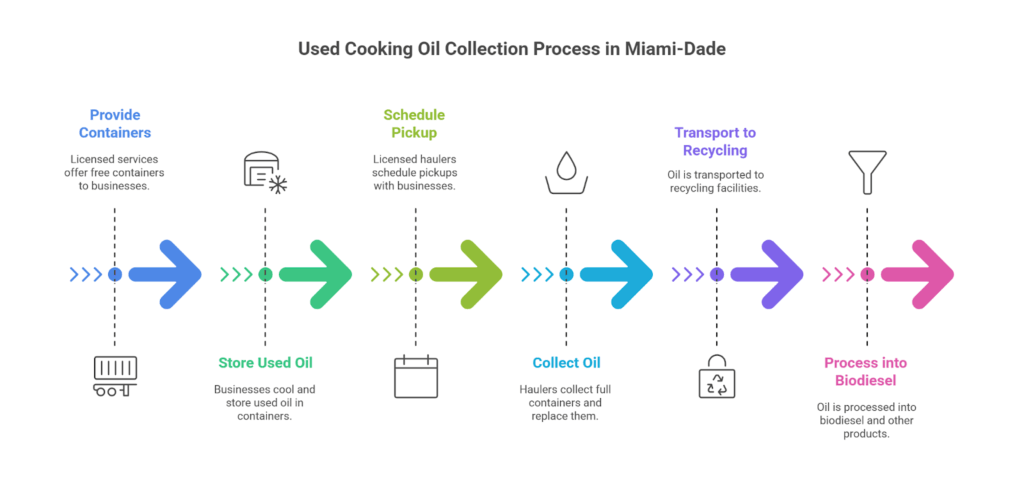
Miami-Dade County uses a clear process for collecting used cooking oil. It begins with proper containers, followed by scheduled pickups by licensed haulers, and concludes with full recycling.
Licensed companies handle everything—from storage to processing—and ensure businesses comply with environmental regulations.
Businesses get free containers from licensed recycling services. There are both indoor and outdoor options to help prevent theft and contamination.
Restaurants and kitchens let their used oil cool, then pour it into the containers. They usually strain out food bits, though a little debris is fine.
Licensed haulers show up on scheduled days to collect full containers. They swap in clean, empty ones so storage space never runs out.
The oil goes to recycling facilities for processing into biodiesel and other products. Miami companies recycle 100% of the oil—none of it goes to landfills.
This system prevents used oil from entering storm drains and groundwater. It’s a closed loop that just makes sense.
Small restaurants usually get weekly pickups. Large kitchens may require service twice a week, while hotels or large operations often necessitate daily collection during peak periods.
Pickup frequency depends on a few things:
Companies monitor the rate at which containers fill up and adjust schedules as needed. That way, they avoid overflows and wasted trips.
Licensed haulers help businesses stay on the right side of Miami-Dade’s environmental rules. They provide detailed paperwork for each pickup, including waste manifests and recycling certificates.
These companies take care of all the regulatory forms required by the Florida Department of Environmental Protection. Businesses get proof that their oil was recycled, not dumped illegally.
Haulers also train employees on good oil handling habits. They inspect storage areas during pickups to identify compliance issues before they become serious.
They carry the insurance and bonding needed to transport waste oil. That way, businesses are protected if something goes wrong during transit or processing.
Miami-Dade County enforces strict fats, oils, and grease (FOG) rules through DERM. Permits, regular maintenance, and proper disposal are all required.
Violations mean automatic fines. Securing containers helps businesses pass inspections and avoid trouble.
The Miami-Dade County Department of Environmental Resources Management regulates grease traps through its FOG program.
Any non-residential food facility needs a FOG Discharge Control operating permit. That covers restaurants, cafeterias, and caterers who send grease-laden water into the sewer.
Food service businesses must install grease traps or interceptors. These prevent grease from entering the public sewer system.
The county’s automated system checks permits and pump-out logs every night. If you miss an upload, you get a $250 late fee—no exceptions.
Regular grease trap cleaning is a must. Businesses must maintain detailed cleaning logs to demonstrate compliance with the rules.
Miami-Dade’s penalty system is fully automated. The county portal monitors compliance data and issues fines immediately—no human review is needed.
Common Violation Penalties:
FOG disposal rules have gotten stricter. Restaurants now face more severe penalties for violating these updated regulations.
Repeated violations can result in the loss of your permit. That could force a business to close until it fixes the problem and gets re-approved.
The county keeps track of every violation. Past issues can affect future fines and the frequency of inspections.
Locked containers demonstrate that you’re following FOG security protocols when county inspectors arrive. They keep unauthorized people out and prevent contamination that could result in a fine.
Inspectors look to see if you’re storing used cooking oil securely. If you leave containers unlocked, you risk theft or someone dumping oil where it shouldn’t be.
Key Container Requirements:
Locked storage keeps spills and leaks in check. Unsecured containers can lead to instant violations and costly cleanup.
The FOG-BMP program provides ongoing cleaning logs and records that help reduce fines when you pair them with good storage habits. Secure containers make it easier to stay compliant.
When you document your container security, you build a stronger compliance record. That kind of evidence helps if you ever need to appeal a violation.
Don’t risk theft or fines—Grease Pros Recycling provides reliable used cooking oil collection across Miami-Dade. Keep your kitchen safe and eco-friendly. Contact us now to arrange service.
If you’re ready to get started, call us now!
Miami-Dade’s locked container system closes the loop, turning waste cooking oil into clean-burning, renewable diesel. This secure collection method protects Biscayne Bay and supports Florida’s push for greener energy.
The recycling process begins with locked containers that prevent oil from becoming contaminated during transport. Cleaner oil produces better biodiesel and is less expensive to refine.
Processing facilities take your oil, filter out food bits and water, then run it through a chemical process called transesterification. That process breaks down the oil and turns it into biodiesel.
Key transformation steps include:
Converting used cooking oil into biodiesel creates a renewable fuel that burns cleaner than regular diesel. Each gallon of used oil produces about 0.9 gallons of biodiesel.
The final fuel meets strict standards for trucks, buses, and other diesel vehicles. Some places even produce renewable diesel that works in any diesel engine, requiring no modifications.
Locked containers prevent cooking oil from entering storm drains that lead to Biscayne Bay. Even small spills can cause serious water pollution.
One gallon of cooking oil can contaminate:
Secure collection ensures consistent oil quality for processing. Better oil means more efficient biodiesel production and less waste.
Proper cooking oil recycling reduces greenhouse gas emissions by up to 86% compared to petroleum diesel. It also prevents thousands of gallons of waste oil from entering landfills every year.
Regular collection schedules stop restaurants from stockpiling oil. Fresh oil makes better renewable fuel and saves money during processing.
Miami-Dade County generates a substantial amount of used cooking oil due to its numerous restaurants. The city’s tourism and hospitality industries help maintain a steady supply of renewable fuel.
Florida aims to increase its renewable energy use by 20% by 2030. Turning restaurant waste oil into renewable diesel helps hit those targets and creates local jobs.
Miami-Dade contributes through:
The county’s locked container programs ensure oil continues to flow to processing plants. Reliable collection helps facilities plan ahead and meet fuel demand.
Producing biodiesel locally reduces shipping costs and emissions. Miami-Dade’s location even lets it export renewable diesel to the Caribbean and South America.
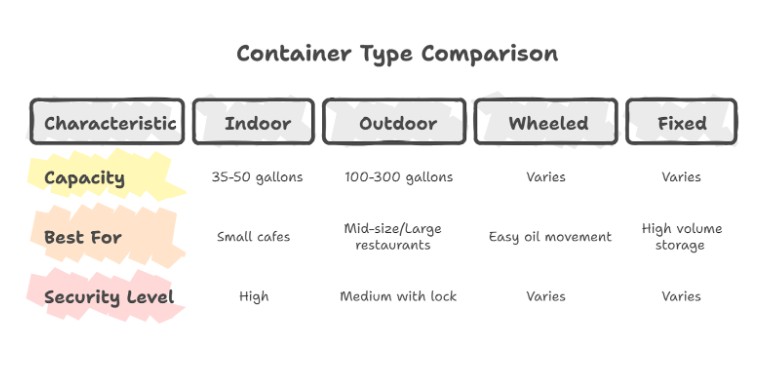
The best container for your business depends on your size, oil volume, and pickup schedule. Container type, capacity, and pricing all affect your costs and security.
Indoor Containers work well for smaller restaurants with limited oil usage. They usually hold 35-50 gallons and fit inside your kitchen or storage room.
Since they stay indoors, they’re extra secure. Staff can access them easily during cooking.
Outdoor Containers are built for bigger volumes—think 100-300 gallons. Large restaurants and commercial kitchens like them because they don’t eat up indoor space.
Outdoor containers need locks to stop theft. They’re made from tough, weather-resistant materials like heavy-duty plastic or steel.
Wheeled containers enable staff to move oil with less hassle. Fixed containers stay put but usually hold more oil.
| Container Type | Capacity | Best For | Security Level |
| Indoor Small | 35-50 gallons | Small cafes | High |
| Outdoor Medium | 100-200 gallons | Mid-size restaurants | Medium with lock |
| Outdoor Large | 200-300+ gallons | Large kitchens | Medium with lock |
Space requirements come first—measure your storage before picking a container size. Indoor containers need about 3 feet of clearance. Outdoor ones need space for trucks to reach them.
Oil volume depends on how much you fry each week. Busy restaurants might crank out 100+ gallons, while a small café might only have 20-30 gallons.
Pick a container that holds one to two weeks’ worth of oil. That way, you’re not constantly emptying or overflowing.
Pickup frequency matters too. Weekly pickups allow you to use smaller containers, but if you opt for pickups once a month, you’ll need larger storage.
Different container types fit different businesses. High-volume spots typically require larger outdoor containers with more frequent pickups.
Think about your busy seasons. For example, Miami-Dade’s summer tourism can double your oil output.
Restaurants in Miami-Dade need local partners like Grease Pros Recycling who understand the regulations and can respond quickly. Working with licensed grease haulers who know the area makes used cooking oil management smoother and more reliable.
Local providers are familiar with Miami-Dade’s weather quirks and infrastructure challenges. Miami tanker drivers know which alleys flood after a summer storm and which areas are challenging for large trucks.
Key advantages include:
Miami-Dade restaurants face numerous logistical challenges. Food trucks on South Beach need a different service than hotels downtown.
They get the county’s environmental rules, too. Miami-Dade cracks down hard on grease disposal near water. Local companies help you avoid trouble by staying compliant.
Stuff breaks in busy kitchens, no warning. When fryer oil containers overflow or outdoor bins get smashed, you need help right away.
Same-day emergency service keeps things from spiraling:
| Issue | Consequence Without Quick Response |
| Overflowing containers | Attracts pests and creates safety hazards |
| Damaged outdoor bins | Potential fines from code enforcement |
| Storm damage | Oil contamination in parking areas |
Miami’s heat exacerbates grease problems. Old oil spoils quickly in 90-degree weather, and the smell can deter customers.
Scheduled and on-demand oil collection services help restaurants stay clean. Emergency pickups stop minor headaches from turning into major violations.
Florida wants grease hauling companies to hold specific licenses. If you run a restaurant, you should always verify these credentials before signing anything.
Essential documentation to check:
Ask potential haulers for references from businesses like yours. A company that handles fast-food chains may not fully understand the needs of fine-dining restaurants.
Licensed grease haulers must follow regulatory compliance standards. They should provide you with the paperwork for proper disposal and any available recycling partnerships.
Double-check their insurance coverage. Grease spills can get expensive fast, and you don’t want to be left with the bill. Good coverage protects your restaurant from liability headaches.
Take a look at online reviews and Better Business Bureau ratings. Notice complaints about missed pickups or billing issues—those can be red flags. Reliable service is worth more than the absolute lowest price.
Ready for stress-free grease disposal? Grease Pros Recycling delivers fast emergency retrieval and secure oil storage for local businesses. Contact us to schedule your next collection today.
Why are locked containers important for used cooking oil storage?
Locked containers prevent theft, spills, pest infestations, and contamination, ensuring your business stays compliant with Miami-Dade FOG regulations.
How often should used cooking oil be collected in Miami-Dade?
Most commercial kitchens schedule pickups on a weekly or bi-weekly basis, but high-volume locations may require daily or multiple pickups per week.
Can using unlocked containers lead to fines in Miami-Dade?
Yes. Unsecured storage can violate local FOG ordinances, resulting in fines, failed inspections, or business shutdowns.
What happens to the used cooking oil after collection?
Licensed haulers recycle the oil into biodiesel, animal feed additives, or other environmentally friendly products, thereby reducing landfill waste and supporting renewable energy.
Does Miami-Dade require licensed haulers for grease pickup?
Yes. Only licensed haulers are permitted to collect and transport used cooking oil in Miami-Dade, and they must adhere to strict disposal and recycling protocols.
Are free locked containers available for restaurants in Miami-Dade?
Many licensed haulers, such as Grease Pros Recycling, provide free locked containers as part of their collection service.
What should I look for when choosing a used cooking oil collection company?
Check for a Miami-Dade business license, proof of insurance, same-day emergency service availability, and a track record of timely, compliant pickups.
Founded with a vision to revolutionize the used cooking oil recycling industry, GreasePros Recycling has established itself as a trusted and leading provider of sustainable waste management solutions. With over 20 years of experience, our dedicated team brings extensive expertise and a commitment to environmental stewardship.
Quick Links
Contact Information
Get in Touch with GreasePros